Documentation of pachinko venues and their cultural significance across Japan's major metropolitan centers. This overview examines venue characteristics, operational patterns, and the role of pachinko in urban entertainment culture within Tokyo and Osaka.
Pachinko halls represent a distinctive form of entertainment venue that originated in Japan during the early 20th century. These facilities house extensive collections of pachinko machines arranged in systematic layouts designed to accommodate visitor flow and operational efficiency. The venues maintain consistent operational characteristics while adapting to local urban environments and cultural contexts.
Tokyo's pachinko halls reflect the city's dense urban character with multi-floor facilities that maximize space utilization in limited areas. These venues typically occupy commercial buildings in entertainment districts, featuring compact machine arrangements that support high visitor throughput. The halls maintain extended operating hours to accommodate Tokyo's active lifestyle and diverse population.
Osaka's pachinko facilities exhibit regional characteristics that reflect the city's distinctive cultural identity and urban planning patterns. The venues typically feature larger floor plans compared to Tokyo counterparts, with more spacious machine arrangements that accommodate different visitor preferences. Osaka halls often incorporate local design elements while maintaining the standardized operational framework common to pachinko venues nationwide.
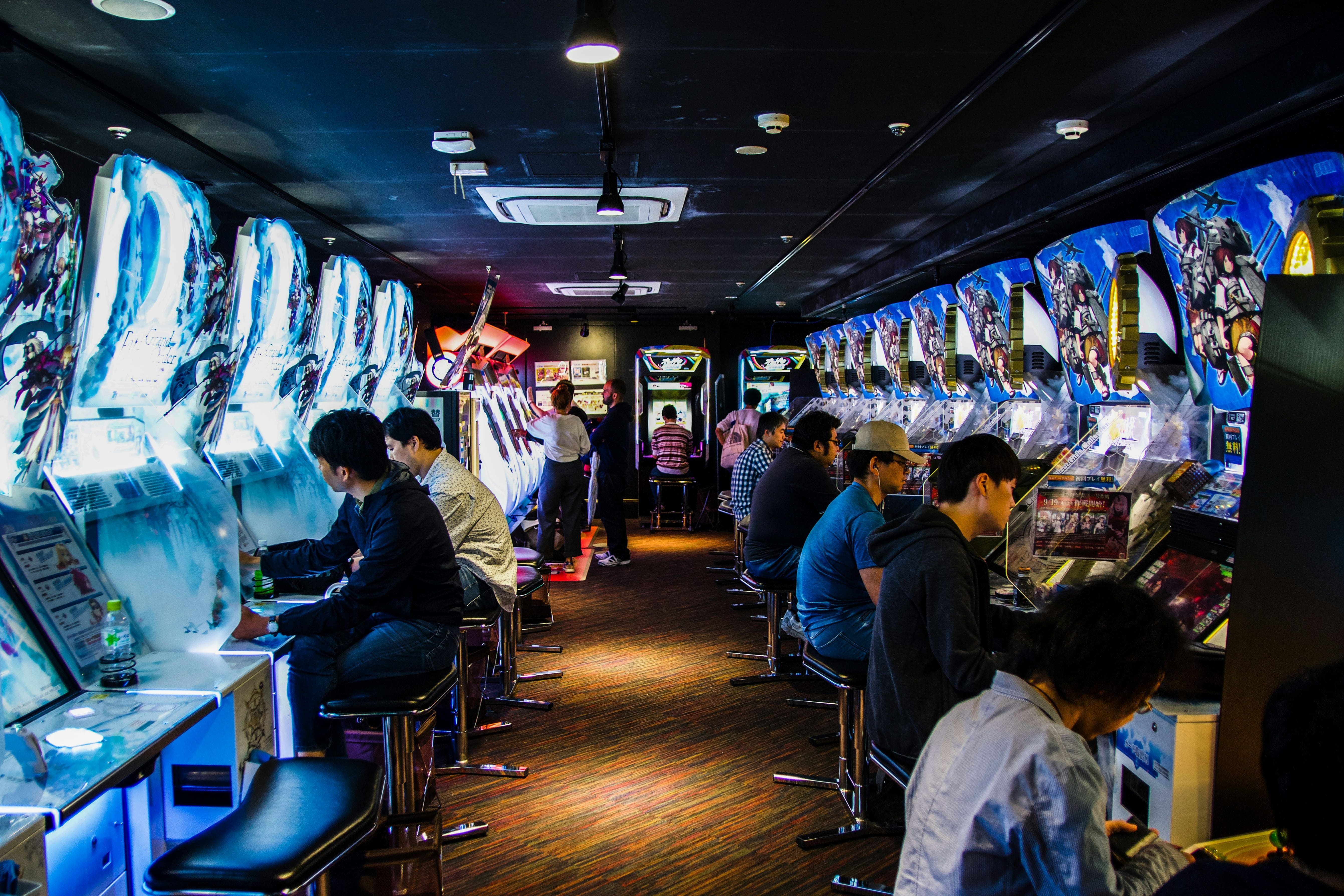
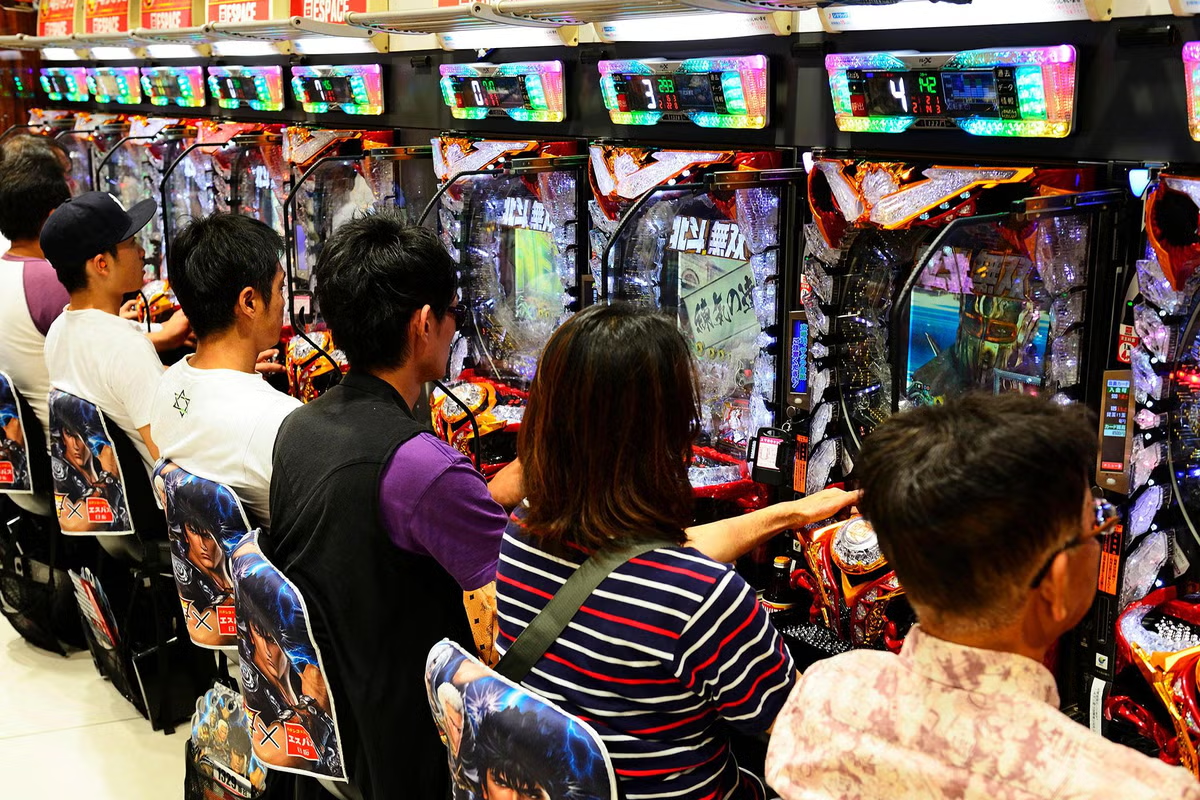
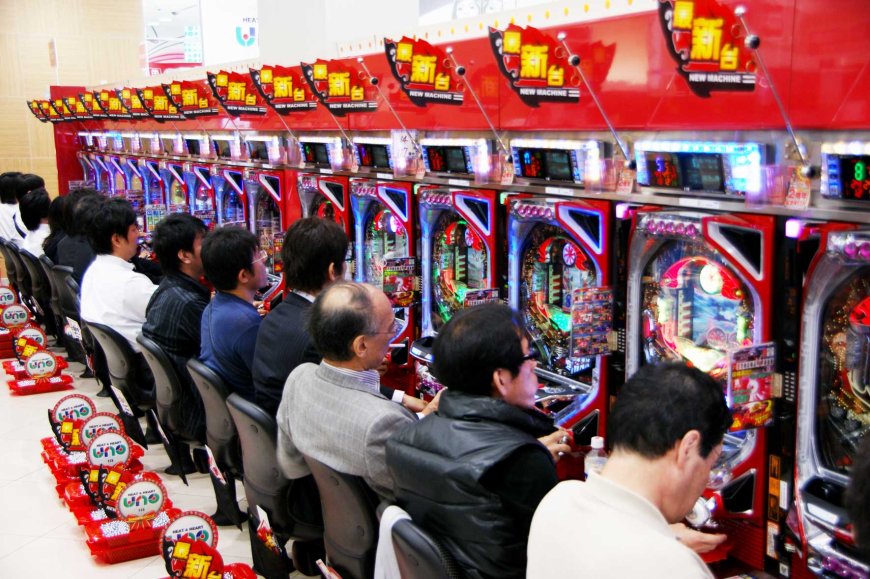
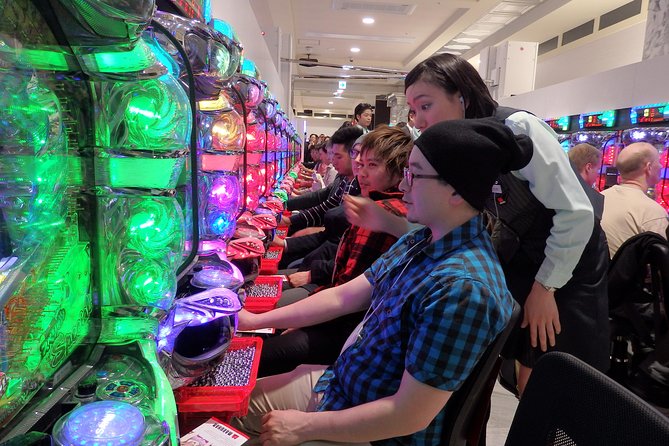
Pachinko machines arranged in systematic rows with standardized spacing that ensures consistent operational access and visitor safety.
Individual seating positions designed for extended use with ergonomic considerations and privacy arrangements.
Climate and acoustic management systems that maintain optimal conditions for machine performance and visitor comfort.
Regular equipment inspection and adjustment procedures that ensure consistent machine functionality and reliability.
Pachinko venues constitute an integral component of Japan's urban entertainment landscape, representing a uniquely Japanese form of leisure activity that originated in the early 20th century. These facilities serve as social spaces where visitors engage with mechanical entertainment systems that require skill and attention. Tokyo and Osaka serve as primary reference points for pachinko venue design and operation, establishing standards that influence facilities throughout Japan.
The venues reflect broader patterns in Japanese urban culture, where entertainment facilities integrate with daily life in metropolitan centers. Pachinko halls maintain cultural significance as spaces that preserve traditional entertainment forms while adapting to contemporary urban environments. The facilities demonstrate how mechanical entertainment systems continue to hold relevance within modern Japanese society.